
In the volatile arena of American politics, few moments capture the public’s attention like a heated exchange between two of the nation’s most polarizing figures. Recently, Senator Bernie Sanders sparked controversy by calling former President Donald Trump a “m0ron” during a passionate protest. What followed was a swift and devastating response from Trump—just one sentence that many say caused Sanders to lose credibility and political capital overnight. This incident has ignited fierce debate about political discourse, respect, and the consequences of personal attacks in the modern era.
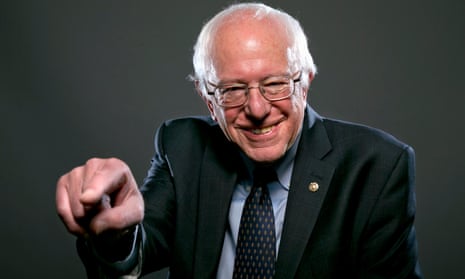
Bernie Sanders, known for his fiery rhetoric and unwavering progressive stance, has never shied away from criticizing Trump. At a recent protest rally, Sanders’s frustration boiled over, and he publicly labeled Trump a “m0ron,” a term that immediately grabbed headlines and social media attention. For Sanders’s supporters, this was a candid expression of disdain for Trump’s policies and behavior. However, critics accused Sanders of resorting to name-calling, undermining the seriousness of political debate and alienating moderate voters.
Trump’s response was both swift and strategic. Rather than engaging in a similar personal attack, he delivered a calm, calculated sentence that turned the tables: “Bernie’s words show his desperation and inability to lead.” This simple yet powerful retort resonated widely, painting Sanders as a bitter figure losing relevance in the political landscape. Trump’s supporters hailed the comeback as masterful, while Sanders’s critics seized on it as evidence of his declining influence.

The fallout from this exchange has been significant. Political analysts note that Sanders’s use of derogatory language may have cost him support among undecided voters who favor respectful discourse. Meanwhile, Trump’s measured reply reinforced his image as a savvy political operator capable of turning opponents’ missteps to his advantage. The incident underscores how, in today’s media-driven environment, a single sentence can shift public perception and alter political fortunes.
This episode also raises broader questions about the nature of political dialogue in America. Is resorting to insults a sign of genuine frustration and authenticity, or does it erode the quality of public discourse? Sanders’s critics argue that personal attacks distract from substantive policy discussions and contribute to the nation’s deepening divisions. Supporters contend that blunt language is necessary to call out what they see as dangerous leadership.
Moreover, Trump’s ability to neutralize Sanders’s attack with a single sentence highlights the power of rhetoric and media savvy in modern politics. It demonstrates that political battles are often won not just on policy but on communication and narrative control. This dynamic challenges politicians to balance passion with prudence, knowing that every word can be amplified and dissected instantly.
In conclusion, Bernie Sanders’s decision to call Donald Trump a “m0ron” at a protest and Trump’s subsequent one-sentence comeback encapsulate the contentious and media-driven nature of contemporary American politics. The incident serves as a cautionary tale about the risks of personal insults and the importance of strategic communication. As the political landscape continues to evolve, leaders must navigate the fine line between expressing conviction and maintaining the respect necessary to influence a divided electorate.
